

The lockdown in Greater Accra and Kumasi has come into effect, starting from today. Individuals in these affected communities are to re...
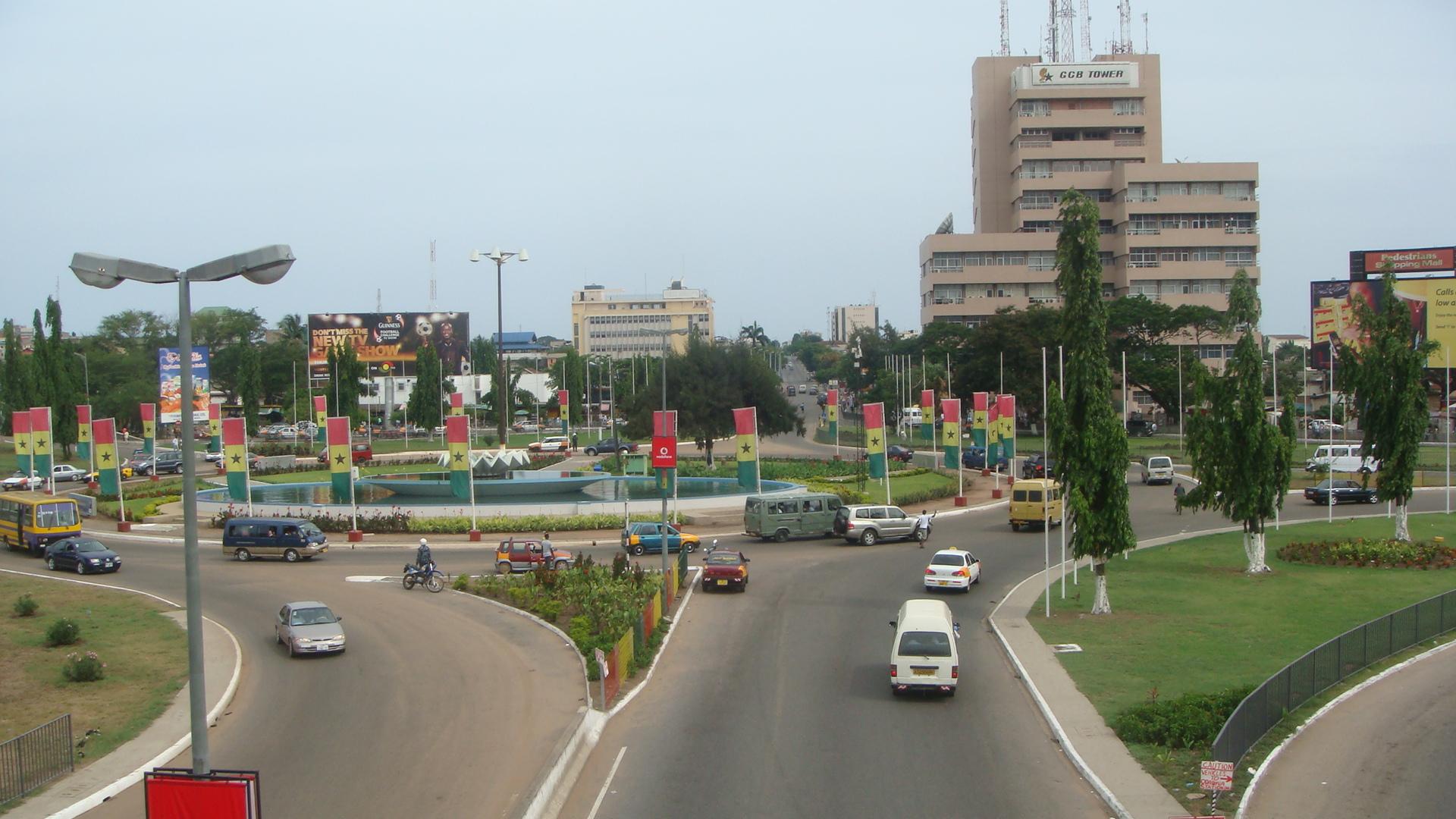
The lockdown in Greater Accra and Kumasi has come into effect, starting from today.
Individuals in these affected communities are to restrict movements for 14 days, to help control the spread of Coronavirus, since they are areas where significant numbers of COVID-19 cases have been recorded.
On Friday, March 27th, the President of Ghana made known to the public, during his fourth national televised address on the state’s anti-coronavirus strategy that, the lockdown will restrict the movement people for a period of two weeks subject to review, beginning from 1:00 a.m. on Monday, March 30.
He further stated the main purpose of the lockdown, which is to enable contact tracing of persons who have come into contact with persons who have tested positive for the deadly virus.
Since the start of the week, there have been numerous calls on Nana Akufo-Addo to declare a lockdown like many countries have done to curb the growing spread of the deadly disease.
As of Sunday, March 29, 2020, Ghana Health Service confirmed that, 152 coronavirus cases with five deaths have been recorded.
Deployment
The administration of Ghana Police Service, in collaboration with the Ghana Navy, Army and Airforce, has deployed security personnel across Greater Accra and Greater Kumasi.
This operation has named ‘Operation COVID Safety’ and it's been described as a humanitarian exercise to protect the lives of citizens and to help control the spread of this deadly disease.
The operation will essentially ensure the effectiveness of law and order in the restricted areas in the Greater Accra and Ashanti Region.
The Police force has instructed exempted individuals, to carry identification cards when moving about.
Roadblocks would be mounted at vantage points, especially on the peripheries of affected areas.
Roadblocks would be mounted at vantage points, especially on the peripheries of affected areas.
At least 400 police personnel have been deployed. The military will provide additional support.
Exemptions
There are certain activities, that have been exempted, during the lockdown period. This includes banking transactions, buying of foods and petroleum products or use public toilet facilities.
However, there will be no inter-city movement of vehicles and aircraft for private or commercial purposes. Only vehicles and aircrafts providing essential services and those carrying cargo will have some freedom to operate.
Motorists using motorbikes will not be allowed to carry any additional person whilst all intra-city passenger vehicles, such as ‘trotros’ and taxis, have been directed to reduce the number of passengers.
Additionally, all commercial vehicle stations are expected to observe appropriate hygiene protocols and social distancing.
Also, all the markets of the affected metropolises and persons involved activities in the food value chain will be allowed to operate in the markets during this period.
In effect, all persons involved in the growing, processing, and selling the food items will be able to make a living during this period.
But vendors of clothing, electrical gadgets, beauty products, among other everyday items, will not be able to trade during the 14 days of the lockdown.
Food chains and restaurants can only operate pick-up and delivery services.
Other workers who will be able to head to their jobs come Monday will be persons aligned to the production, distribution and marketing of food, beverages, pharmaceuticals, medicine, paper and plastic packages, environmental and sanitation activities, road and railway construction workers, members of the security agencies, workers at fuel stations and staff of utility, telecommunications, e-commerce and digital service providers.
All members of the Executive, Legislature and the Judiciary are exempt from the restrictions. Media personnel have also been granted exemptions.
Affected areas
In Greater Accra, the following areas will be affected:
-Accra Metropolis
-Tema Metropolis
-Tema West
-Kpone Katamanso
-Krowor
-Ledzokuku
-Adentan-Ashiaman
-La-Nkwantanang-Madina
-La-Dade-Kotopon
-Okaikwei North
-Ablekuma North
-Ablekuma West
-Ablekuma Central
-Ayawaso East
-Ayawaso North
-Ayawaso West
-Ayawaso Central
-Ga North
-Ga West
-Ga South
-Ga Central
Ga East
-Korle-Klottey
-Weija/Gbawe
-Awutu Senya East
-Tema Metropolis
-Tema West
-Kpone Katamanso
-Krowor
-Ledzokuku
-Adentan-Ashiaman
-La-Nkwantanang-Madina
-La-Dade-Kotopon
-Okaikwei North
-Ablekuma North
-Ablekuma West
-Ablekuma Central
-Ayawaso East
-Ayawaso North
-Ayawaso West
-Ayawaso Central
-Ga North
-Ga West
-Ga South
-Ga Central
Ga East
-Korle-Klottey
-Weija/Gbawe
-Awutu Senya East
In the Greater Kumasi Metropolitan Area the following areas are affected:
*Kumasi Metropolis
*Asokwa
*Kumasi Metropolis
*Asokwa
*Suame
*Old Tafo
*Oforikrom
*Asokore Mampong
*Kwadaso
*Atwima Nwabiagya
*Kwabre East
*Ejisu
*Afigya-Kwabre South
*Bosomtwe
*Atwima Kwanwoma
*Atwima Nwabiagya North
*Old Tafo
*Oforikrom
*Asokore Mampong
*Kwadaso
*Atwima Nwabiagya
*Kwabre East
*Ejisu
*Afigya-Kwabre South
*Bosomtwe
*Atwima Kwanwoma
*Atwima Nwabiagya North


%20-%20Made%20with%20PosterMyWall.jpg)

%20-%20Made%20with%20PosterMyWall.jpg)
.jpeg)

.jpeg)


